Financial Crime Intelligence
Expert perspectives on fraud prevention, AML compliance, regulatory change, and detection strategy from the RiskLex team.

From Rules to Risk Intelligence: What the 2026 FinCrime Agenda Means for Compliance Teams
Financial crime compliance is moving away from static rules and periodic reviews toward continuous, intelligence-led risk management. With cyber-enabled fraud, virtual assets, DeFi and regulatory expectations evolving rapidly, firms need a faster way to translate new threats into practical controls. Here is what the 2026 FinCrime agenda means - and how RiskLex can help.

The Decision Before the Payment: Why Scam Prevention Must Start Earlier
Many scam controls focus on the final payment, but the victim’s decision is often shaped long before money moves. Learn how fraud teams can detect manipulation earlier by connecting customer behaviour, payment context, digital signals and timely intervention.

The Mule Account Problem: How Fraudsters Turn Legitimate Customers into Payment Infrastructure
Money mule accounts are the connective tissue between fraud and money laundering. Learn how mule networks operate, which behavioural signals matter most, and how financial institutions can detect them without relying on simplistic transaction thresholds.
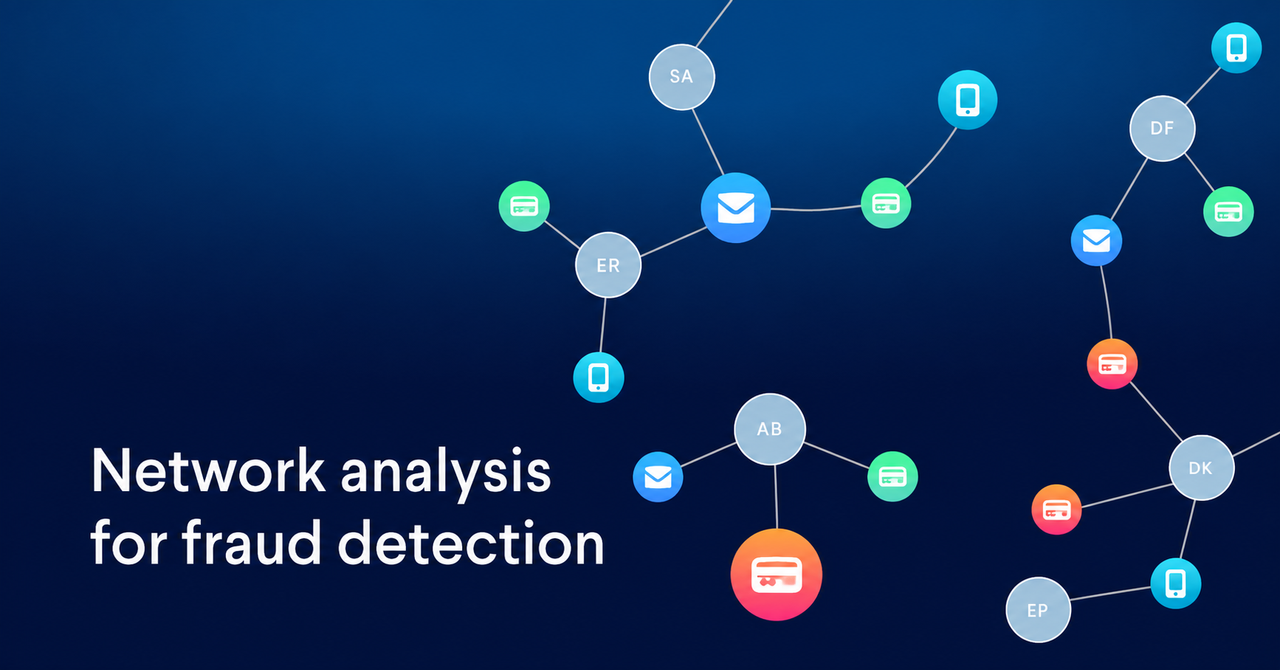
Fraud Is a Network Problem: Why Connected Risk Intelligence Matters
Fraud rarely occurs as a single, isolated event. Accounts, devices, identities, beneficiaries and transactions often form connected networks. Discover how connected risk intelligence helps organisations expose hidden relationships, detect coordinated activity and make faster, more accurate fraud decisions.

Correspondent Banking De-Risking: Navigating Financial Exclusion in the AML Era
Global banks have terminated thousands of correspondent banking relationships over the past decade due to AML compliance costs and risk concerns. This guide examines the causes, consequences, and emerging alternatives to de-risking.

PEP Screening and Enhanced Due Diligence: A Compliance Team's Practical Guide
Politically Exposed Person (PEP) screening is one of the most resource-intensive AML obligations and one of the most frequently criticised in regulatory examinations. This guide covers PEP classification, source of wealth verification, and EDD programme design.

Sanctions Screening Best Practices: Reducing False Positives Without Increasing Risk
Sanctions screening programmes generate enormous false positive volumes that strain compliance teams without improving hit quality. This guide covers matching methodology, list management, and de-risking approaches that reduce noise while maintaining genuine compliance coverage.

APP Fraud Detection Rules: Building Effective Controls for Authorised Push Payment Scams
APP fraud is the fastest-growing payment crime category. This guide covers the detection rules, model features, and intervention frameworks that leading institutions are using to identify scams before payment and limit losses.

Trade-Based Money Laundering: Indicators, Typologies, and Detection Methods
Trade-based money laundering (TBML) is one of the most prevalent but least detected AML typologies. This guide covers the key indicators, common schemes, and practical detection approaches for compliance and trade finance teams.

How to Write an Effective SAR: A Suspicious Activity Report Writing Guide
A step-by-step guide to writing Suspicious Activity Reports that satisfy regulatory expectations, support law enforcement investigations, and survive examiner scrutiny — with annotated examples.

AML Transaction Monitoring Red Flags: A Practitioner's Reference Guide
A comprehensive reference of transaction monitoring red flags for AML compliance teams — covering structuring, layering, unusual account behaviour, and typology-specific indicators across payment rails.

Authorized Push Payment Fraud: The Liability Shift Reshaping Banking
The UK's mandatory APP fraud reimbursement framework is one year old — and it's already forcing a rethink of how banks price fraud risk. With similar frameworks advancing in the US and EU, institutions that haven't adapted their controls will face both financial and regulatory pain.

MiCA and the New Crypto AML Landscape: What 2026 Compliance Looks Like
The EU's Markets in Crypto Assets regulation is now fully in force, and its ripple effects are reshaping AML compliance globally. Here's a practitioner's guide to what has changed and what your program needs to address.

Synthetic Identity Fraud in the Age of Generative AI
Generative AI has supercharged synthetic identity fraud, enabling attackers to manufacture convincing personas at scale. Here's what financial institutions need to know and do in 2026.